

By Ali Rabiu Ali, Dutse
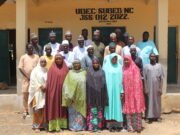
The Jigawa State Universal Basic Education Board (SUBEB) has concluded a rigorous and merit-driven process that led to the selection of 27 Education Secretaries, one from each local government area of the state, as part of ongoing reforms in the basic education sector.
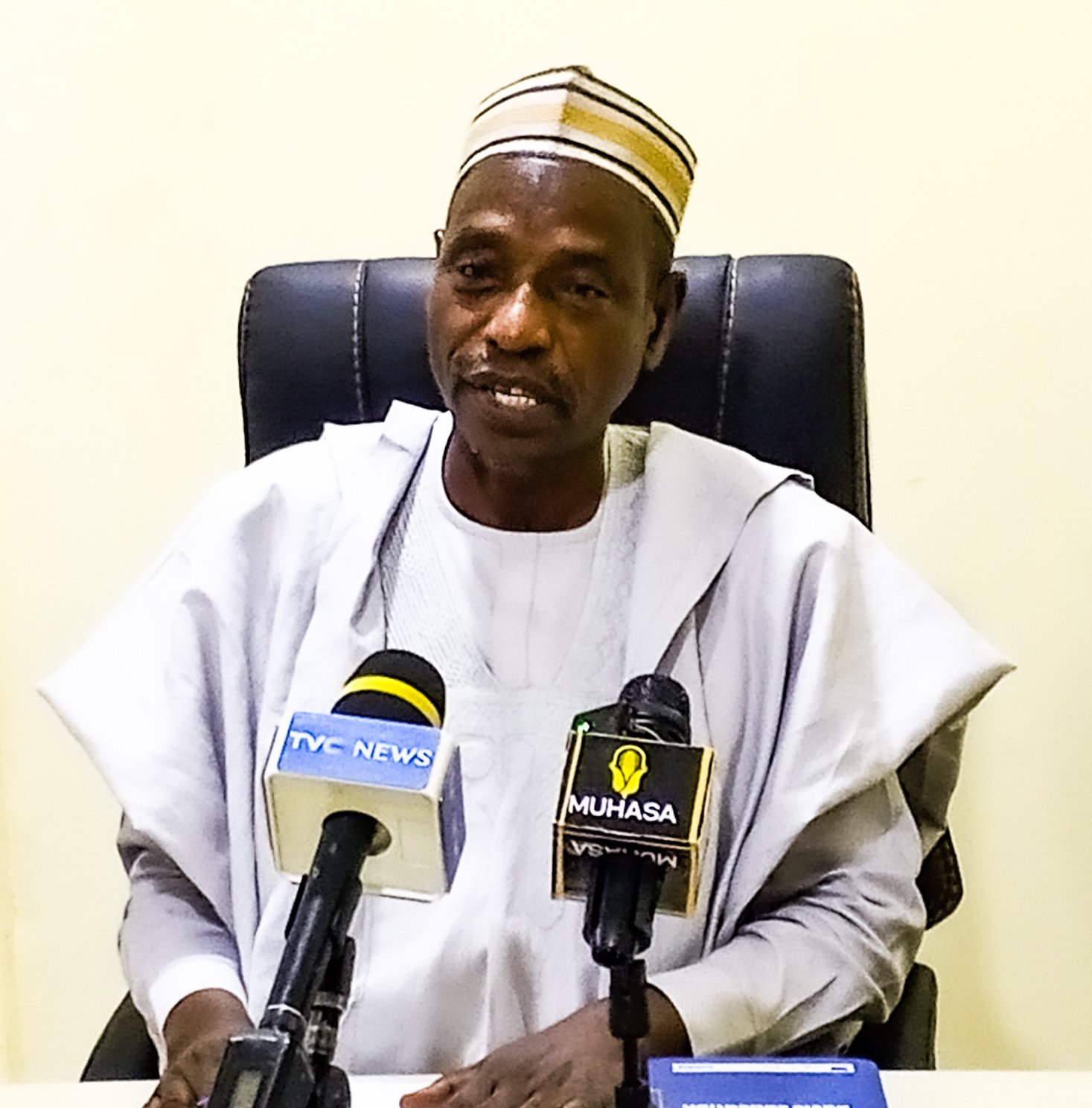
Speaking during a briefing in Dutse, the Executive Chairman of SUBEB, Professor Haruna Musa, said the exercise was designed to ensure transparency, competence and professionalism, in line with the vision of Governor Malam Umar Namadi to transform basic education in the state.
Professor Musa explained that the process began with the opening of applications, which attracted no fewer than 1,156 applicants across the state.
Unlike previous practices, he said the recruitment was strictly based on individual interest and merit, stressing that no candidate was nominated or sponsored by any individual.
According to him, applicants were first subjected to a Computer-Based Test (CBT), out of which those who scored 40 marks and above were shortlisted. A total of 129 candidates scaled the CBT stage, while 88 eventually qualified for the interview stage after further screening.
He disclosed that the 88 shortlisted candidates were also subjected to character and security background checks by the Department of State Services (DSS), alongside their examination results and interview performance.
“At the end of the process, we recommended three candidates from each local government area to His Excellency the Governor, based strictly on top performance. In some local governments, only two candidates met the required standard,” Professor Musa said.
Prof. Musa added that Governor Umar Namadi independently reviewed the recommendations and carried out additional background checks before making the final selection of 27 candidates, describing the governor’s decision as fair, objective and solely performance-based.
Professor Haruna announced that the selected Education Secretaries would undergo training before their formal engagement. He also clarified that none of them would be posted to serve in their local government of origin, in order to minimise interference and ensure professionalism.
“As part of accountability measures, they will sign a performance bond after training. Their appointments will be performance-based, with periodic assessments. Any Education Secretary who fails to perform after three consecutive evaluations will be disengaged and replaced,” he stated.
On tenure, the SUBEB chairman explained that while there is no fixed term, the Education Secretaries will be assessed after one year, after which their appointments may be sustained or terminated based on performance. He noted that the governor also reserves the right to extend their tenure where necessary.
Professor Musa attributed the new recruitment strategy to the governor’s passion for reforming basic education, noting that the creation of a separate Ministry of Basic Education underscored the administration’s commitment to strengthening foundational learning.
He said the intensity of the selection process itself demonstrated the passion and dedication of the successful candidates, recalling that some interview sessions lasted until 3 a.m., yet candidates insisted on continuing.
“Anyone who passed through this process has the capacity, knowledge and passion to deliver. That is why I told His Excellency that whoever he chooses among them, I will stand by the decision,” he said.
The selected Education Secretaries include Alisa J. (Gagarawa), Ahmad Wada (Garki), Jamila Ayuba (Gumel), Usman Mohammed (Guri), Ahmad Isah (Gwaram), Rabiu Yusuf Amin (Gwiwa), Haruna Idris (Hadejia), Saleh Mohammed (Jahun), Haruna Hudu (Kafin Hausa), Aliyu Shafiu (Kaugama), Ibrahim Mukhtar (Kazaure).
Others are Saleh Aliyu (Kiri Kasamma), Farouk Kiawa (Kiyawa), Amina Abdullahi (Maigatari), Awala Alhassan (Malam Madori), Idris Nuhu (Miga), Nasiru Siru (Birnin Kudu), Abubakar Abdullahi (Roni), Tasi’u Haya (Sule Tankarkar), Awal Sani (Taura) and Nurat Ahlil (Yankwashi), among others.
Professor Musa said the overall goal of the exercise is to build a strong, competent and accountable leadership structure at the grassroots level to drive lasting transformation in basic education across Jigawa State.