By Ali Rabiu Ali, Dutse
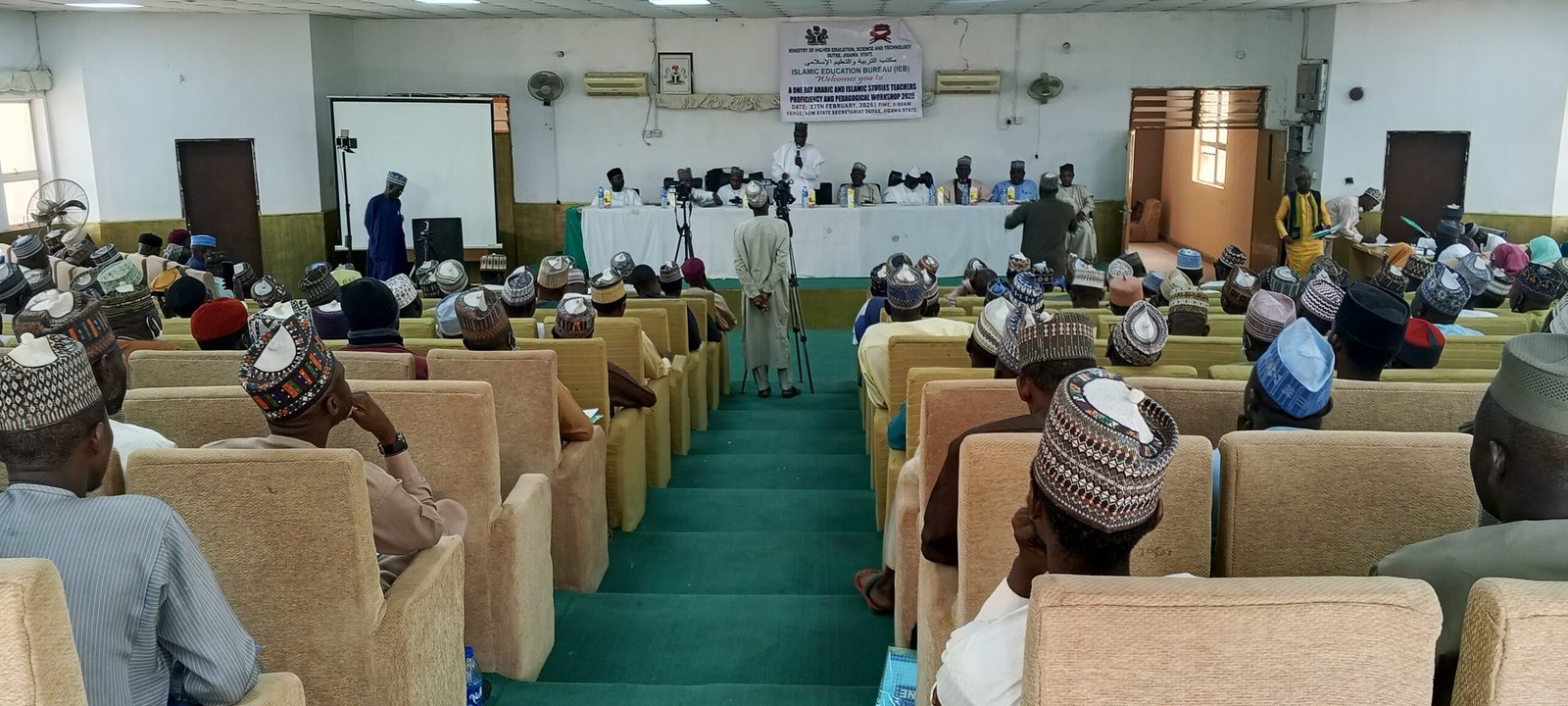
The Jigawa State Ministry for Higher Education, Science and Technology, through the Islamic Education Bureau (IEB), has organised a one-day Arabic and Islamic Studies Teachers Proficiency and Pedagogical Workshop aimed at strengthening teaching quality and aligning schools with the new national curriculum.
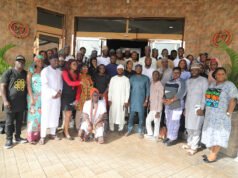
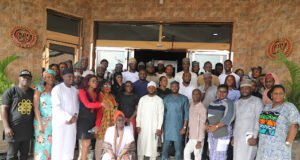
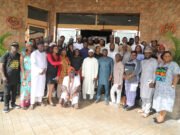
The workshop, held on Tuesday, February 17, 2026, at the New State Secretariat in Dutse, brought together about 360 teachers and school administrators from across the state.
It focused on improving teachers’ classroom competence, introducing modern teaching techniques, and ensuring effective implementation of recent curriculum reforms in Arabic and Islamic education.
Read also:JIZWAN develops ethical health financing advocacy brief for Jigawa state
Declaring the programme open, education stakeholders emphasised the need for continuous professional development, especially as curriculum changes demand new instructional approaches and subject combinations.
In his welcome address, the Director of Arabic Schools Services said the workshop was designed to bridge gaps in teaching skills among educators, noting that while some teachers are fully trained, others require further exposure to contemporary pedagogical practices.
The Executive Secretary of Jigawa Education Research and Assessment (JERA) presented a detailed highlight of the new curriculum, explaining key changes and expectations for Arabic and Islamic Studies teachers.
He stressed that proper understanding of the revised curriculum would help schools remain relevant and competitive nationwide.
Representatives of the National Board for Arabic and Islamic Studies (NBAIS) also took participants through approved subject combinations, clarifying requirements for certification and standardisation of Arabic and Islamic schools.
The workshop featured three technical paper presentations focusing on effective teaching strategies, learner-centred instruction, and assessment methods, followed by an interactive question-and-answer session that allowed teachers to seek clarifications on practical classroom challenges.
Speaking to journalists on the sidelines of the event, Salih Umar, Director of Monitoring and Evaluation at the Islamic Education Bureau, said the workshop was organised to sensitise teachers on their day-to-day responsibilities and expose them to new teaching and learning techniques.
“Some teachers are qualified while others still need capacity building. That is why we regularly organise such workshops, so teachers can be familiar with modern methods and use what they learn to move Islamic education forward in the state,” he said.
He urged participants to apply the knowledge gained to improve teaching standards, adding that the success of the programme would be measured by visible improvement in classroom delivery and students’ performance.
Also speaking, Usman Muhammad Ismail, Director of Government Arabic School and Acting Chairman of the Arabic School Forum of Jigawa State, described the workshop as timely and impactful.
“We are very happy because our schools are not left behind in the ongoing changes in the national curriculum. We appreciate this initiative and we will take what we have learned back to our schools and put it into practice so that Arabic and Islamic schools in Jigawa can stand proudly with others across the country,” he said.
The event concluded with general remarks by the Executive Secretary and special prayers in honour of M. Shisu Ibrahim, the State Musabaqa Coordinator, followed by a closing prayer.