






By Ali Rabiu Ali, Dutse
In the spirit of Eid al-Fitr a season defined by reflection, gratitude and renewed bonds Jigawa State witnessed more than just celebration.
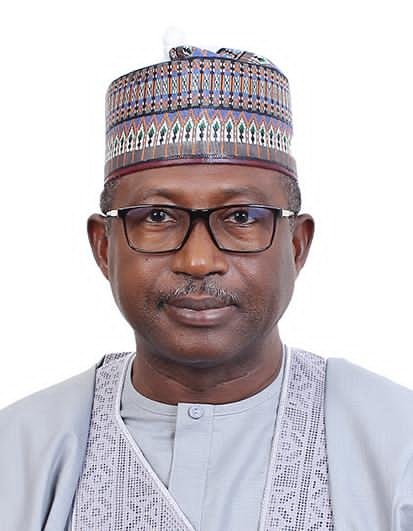
It was a moment where culture, politics and loyalty converged, as former Comptroller-General of the Nigeria Immigration Service, Muhammad Babandede, paid a Sallah homage to Governor Umar Namadi.
The visit, held amid the 2026 festivities, may appear ceremonial at first glance. But beneath the surface, it revealed deeper layers of political alignment, enduring relationships and strategic unity within the All Progressives Congress (APC) in Jigawa State.
A Meeting Beyond Festivities
Sallah homage, a long-standing tradition in northern Nigeria, often serves as a bridge between leaders and their communities. However, Babandede’s visit carried additional weight. As a respected technocrat and influential political figure, his presence signaled more than goodwill it reinforced a shared vision and mutual trust between key actors shaping Jigawa’s political landscape.
By aligning publicly with Governor Namadi during such a symbolic period, Babandede subtly underscored the importance of continuity and stability in governance.
His commendation of the governor’s “dedicated service” and commitment to the welfare of the people was not just praise it was a reaffirmation of confidence in the administration.
Politics of Endorsement and Loyalty
In Nigeria’s evolving democratic space, political gestures often speak louder than formal declarations. Babandede’s reaffirmation of support for both the governor and the APC highlights the growing emphasis on unity within party ranks, especially at the state level.
Observers note that such visits help consolidate internal cohesion, particularly in a political climate where fragmentation can weaken governance structures.
By calling for unity and cooperation, Babandede echoed a broader message: that progress in Jigawa depends not only on policies but also on the strength of relationships among its leaders.
Governance Meets Cultural Tradition
Governor Namadi’s response to the visit reflected a blend of humility and political awareness. By expressing appreciation and reiterating his commitment to inclusive development, he positioned his administration as both people-oriented and open to collaboration.
This interaction also illustrates how cultural traditions like Sallah homage continue to play a vital role in governance. They provide informal platforms where leaders engage, negotiate and reaffirm alliances—often outside the rigid structures of official meetings.
A Message to the People
Beyond the political class, Babandede’s Sallah message extended to traditional rulers, religious leaders and ordinary citizens. His call for prayers and continued support reinforces a familiar but powerful narrative in Nigerian leadership: that governance is a shared responsibility between leaders and the people.
For residents of Jigawa State, the visit symbolized stability at the top a reassurance that key stakeholders remain aligned in pursuit of development and peace.
Looking Ahead
As Jigawa navigates the challenges of governance and development, moments like this Sallah homage offer insight into the state’s political dynamics. They reveal a leadership structure that values unity, respects tradition and understands the importance of collective effort.
In the end, what unfolded during the festive visit was more than a courtesy call. It was a reflection of a political culture where relationships matter, loyalty is currency, and unity remains a cornerstone for progress.