


By Ali Rabiu Ali,Dutse
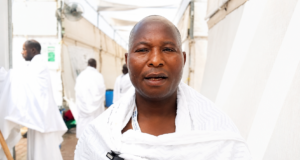
The Acting Country Director of Action Against Hunger Nigeria, Andualem Fekadu, has described the closure of the Foreign, Commonwealth and Development Office (FCDO)-funded social protection programme in Jigawa State as a transition point toward stronger state ownership and long-term sustainability.
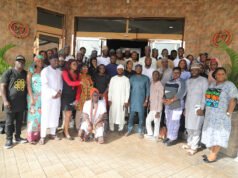
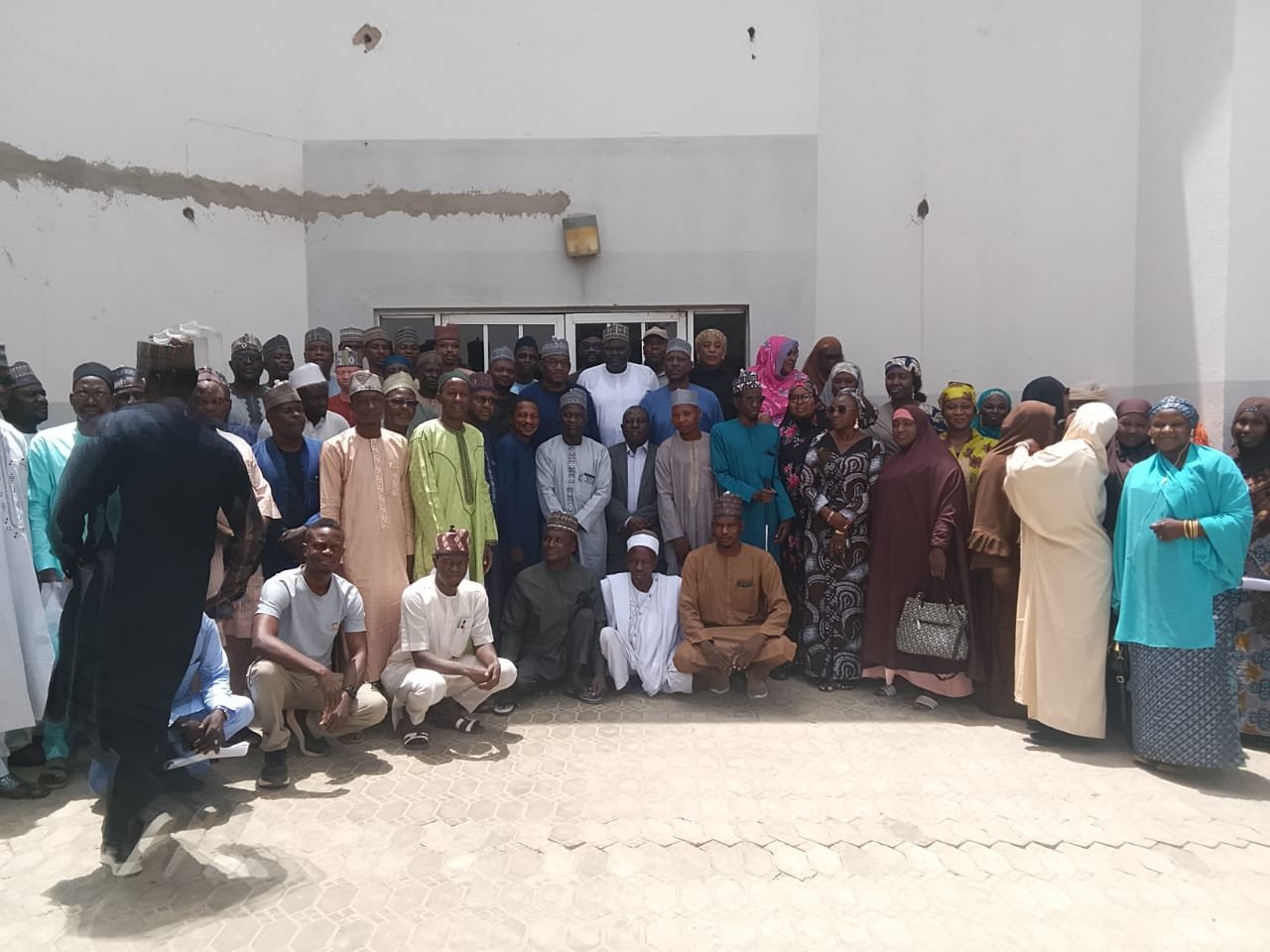
Speaking at the official close-out of the Inclusive Social Protection Systems project in Dutse, Fekadu said the end of the funding cycle marks not a conclusion, but a shift to deeper institutional reforms and community-led initiatives.
According to him, the programme, implemented with support from the Foreign, Commonwealth & Development Office, has significantly strengthened social protection systems across the state, positioning Jigawa as a model for inclusive governance in Nigeria.
He commended the Jigawa State Government for its “steadfast leadership and commitment” to protecting vulnerable populations, noting that collaboration between government agencies, civil society groups, and development partners had yielded measurable progress.
Fekadu highlighted key achievements of the programme, including improved coordination among government institutions through the Social Protection Council and Technical Working Group, as well as enhanced capacity to identify and support vulnerable groups such as persons with disabilities, women, and the elderly.
He added that community-based organisations and media actors were also empowered to play more active roles in monitoring programmes, influencing policies, and amplifying grassroots voices.
“Decision-makers now have access to better data and analysis to guide social protection interventions, ensuring improved targeting and responsiveness,” he said.
Reflecting on the implementation process, Fekadu identified political will, effective coordination structures, community participation, and strong partnerships as critical drivers of success.
He stressed that sustaining the gains recorded would require continued investment in local capacity, increased domestic funding, and a commitment to transparency and accountability.
“Placing the needs of vulnerable citizens at the centre of programme design is not optional it is essential for true inclusivity,” he noted.
Fekadu expressed appreciation to the Jigawa State Government, relevant ministries, civil society organisations, and the media for their roles in the programme’s success, while also acknowledging the long-term support of the FCDO in driving structural reforms.
Despite the closure of the grant, he reaffirmed that Action Against Hunger Nigeria remains committed to supporting the state in advancing social protection systems.
“We envision a future where state-led programmes expand in reach and inclusion, and where communities actively participate in shaping policies that affect them,” he said.
He concluded by urging stakeholders to build on the foundations laid, emphasizing that the progress achieved represents “a continuation of shared responsibility” toward reducing poverty and strengthening resilience across Jigawa State.