





By Ali Rabiu Ali, Kiyawa
The United Nations Children’s Fund (UNICEF), in collaboration with the Jigawa State Universal Basic Education Board (SUBEB), has commemorated the 2026 International Day of Play with a call on parents, teachers, communities, and government institutions to prioritize play as a vital component of children’s growth, learning, and well-being.
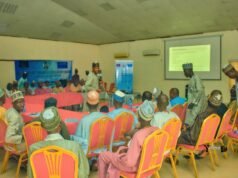
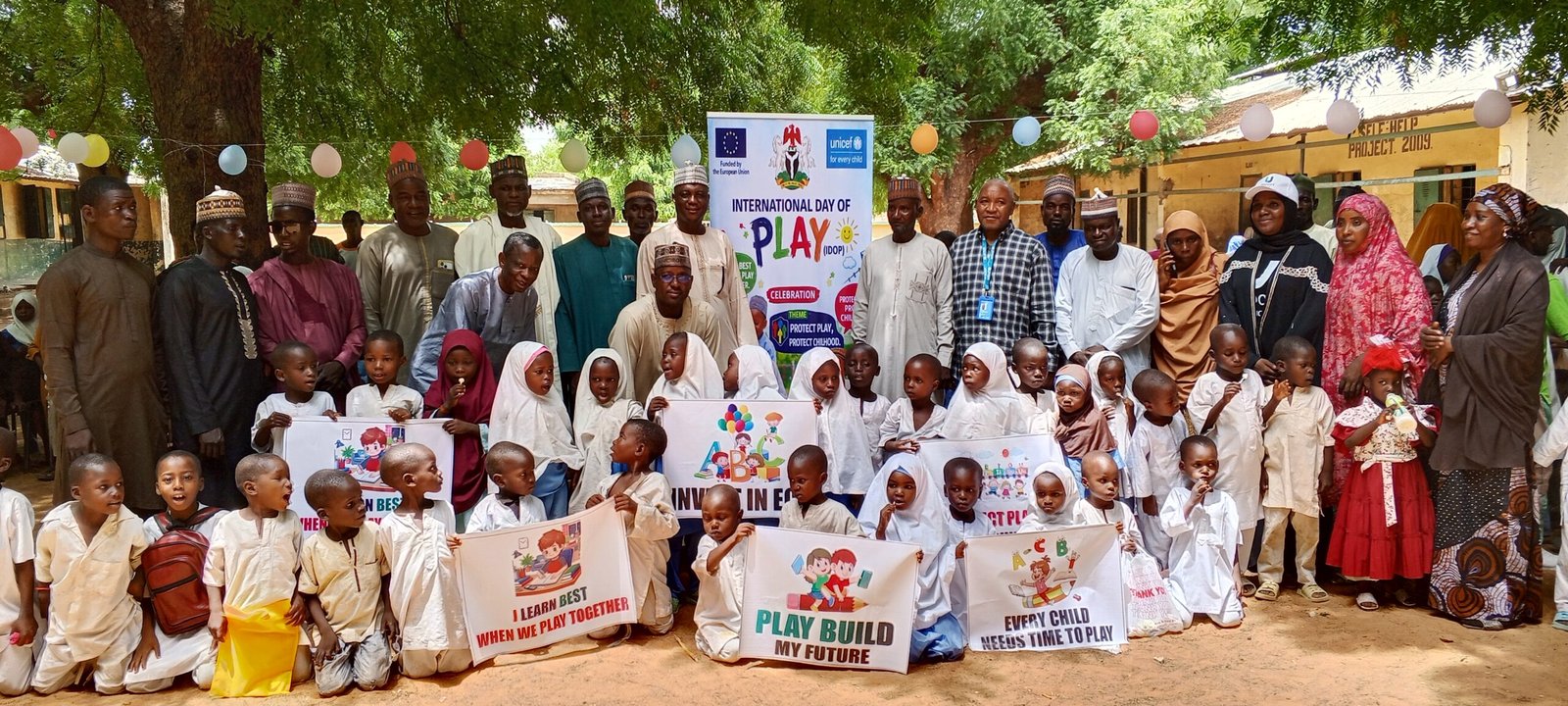
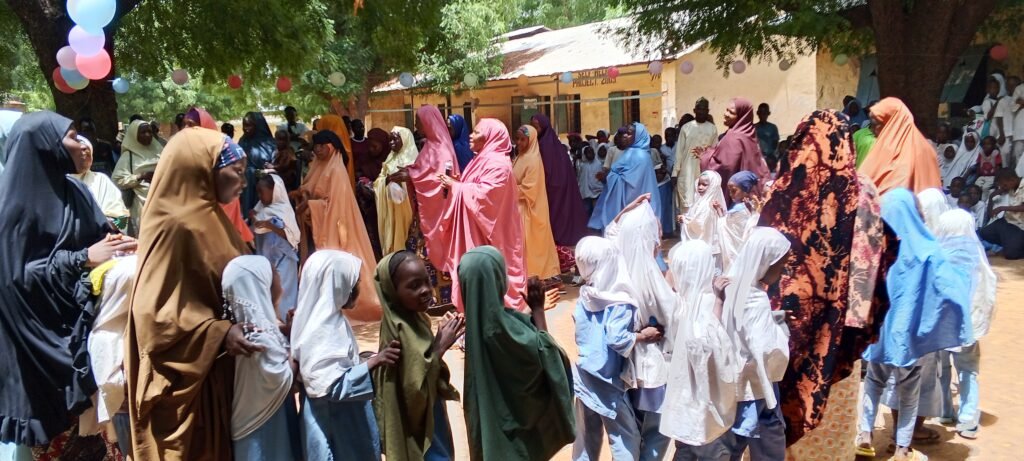
The event, held on Thursday, June 11, 2026, at Kiyawa Special Primary School in Kiyawa Local Government Area of Jigawa State, brought together education stakeholders, school administrators, pupils, parents, and development partners under the global theme: “Protect Play, Protect Childhood.”
Speaking at the occasion, the Director of Welfare Services at Jigawa SUBEB, Muhammad Ibrahim, who represented the Executive Chairman of the Board, Professor Haruna Musa, described the International Day of Play as an important celebration that complements efforts aimed at promoting quality education and child development.
He noted that only a few weeks after celebrating Children’s Day, stakeholders were once again gathered to recognize another important event dedicated to the welfare and development of children.
According to him, play remains one of the most effective teaching methods used in modern education, particularly at the foundational level.
“In education, we have what is known as the ‘Play-Way Method,’ which is one of the most effective approaches for teaching children. Through play, teachers can impart knowledge, encourage participation, and enhance learning outcomes,” he said.
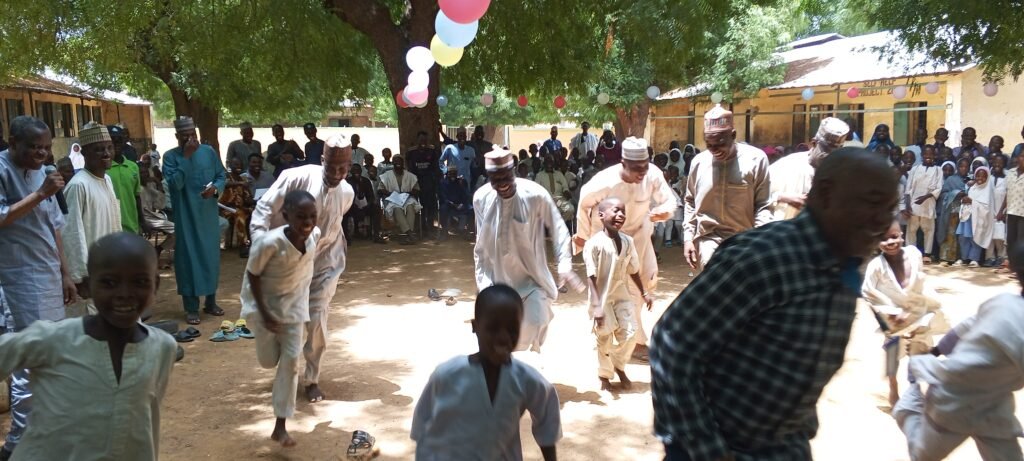
Muhammad Ibrahim stressed that the day should not only be celebrated by children but also by teachers, education administrators, and parents who play significant roles in nurturing young learners.
He further highlighted the importance of play in Islam, citing a famous Hadith of Prophet Muhammad (SAW) in which the Prophet prolonged his prostration during prayer to allow his grandchildren continue playing on his back without interruption.
“The Hadith teaches us the importance of allowing children to enjoy their childhood. Parents should create opportunities for children to play and avoid overburdening them with household chores. Children learn many valuable lessons through play,” he explained.
He commended UNICEF and other partners for organizing the event and for their continued support toward improving child education and welfare in Jigawa State.
UNICEF Emphasizes Importance of Play
Also speaking, Muttaka Mukhtar Muhammad, a UNICEF Education Specialist based in the Kano Field Office, said the International Day of Play serves as a platform to remind communities that play is not merely entertainment but a fundamental right of every child.
He explained that the 2026 theme, “Protect Play, Protect Childhood,” underscores the need for governments, communities, and families to invest in safe and inclusive play opportunities for children.
“Investing in play is not a luxury. It is an investment in children’s education, health, creativity, social skills, and overall well-being,” he stated.
According to him, play helps children develop critical thinking skills, encourages teamwork, strengthens psychosocial development, and promotes creativity.
“When children play, they learn to communicate, solve problems, cooperate with others, and think creatively. These are skills that will benefit them throughout their lives,” he added.
Muttaka further stressed that child development is a collective responsibility that goes beyond schools.
“Children spend only a few hours in school but remain with their parents and communities most of the time.
Therefore, parents must also become agents of change by creating opportunities for children to play both at home and in school environments,” he said.
As part of activities marking the day, UNICEF donated educational and recreational materials including toys, footballs, storybooks, colouring materials, and other learning resources designed to stimulate creativity and support early childhood development.
The UNICEF specialist said the initiative aims to help children develop leadership qualities, teamwork, innovation, and healthy competition from an early age.
In his goodwill message, Dr. Sunday Jacob, UNICEF’s Early Childhood Care Development Education (ECCDE) National Facilitator, described play as a powerful tool that enables children to learn and grow naturally.
“Children learn to talk through songs. They learn to share through games. They learn to solve problems by building, pretending, falling, and trying again. That is play, and that is childhood,” he said.
He warned that denying children opportunities to play could negatively affect their confidence, creativity, emotional well-being, and overall development.
“When we remove play, we don’t just take away fun; we take away confidence, creativity, and joy. A child without play is a child denied their full right to grow,” he noted.
Dr. Jacob called on parents to provide adequate time for play, urged teachers to preserve recreational periods in schools, and encouraged policymakers to invest in safe playgrounds and child-friendly spaces.”By protecting play, we are protecting the future,” he said.
Earlier, the Head Teacher of Kiyawa Special Primary School, Da’u Shitu Kiyawa, welcomed participants and presented a brief history of the institution.
According to him, the school was established in 1949 during the colonial era under the former Kano State administration. It began with two classroom blocks, four classrooms, a headmaster’s office, 29 pupils, and four teachers.
He disclosed that the school introduced Early Childhood Care Development Education (ECCDE) classes in 2017 with an initial enrollment of 41 pupils.
The head teacher expressed satisfaction that many of the pioneer ECCDE pupils successfully completed their primary education and progressed to junior secondary schools.
He emphasized that early childhood education remains critical in preparing children academically and socially before entering primary school.
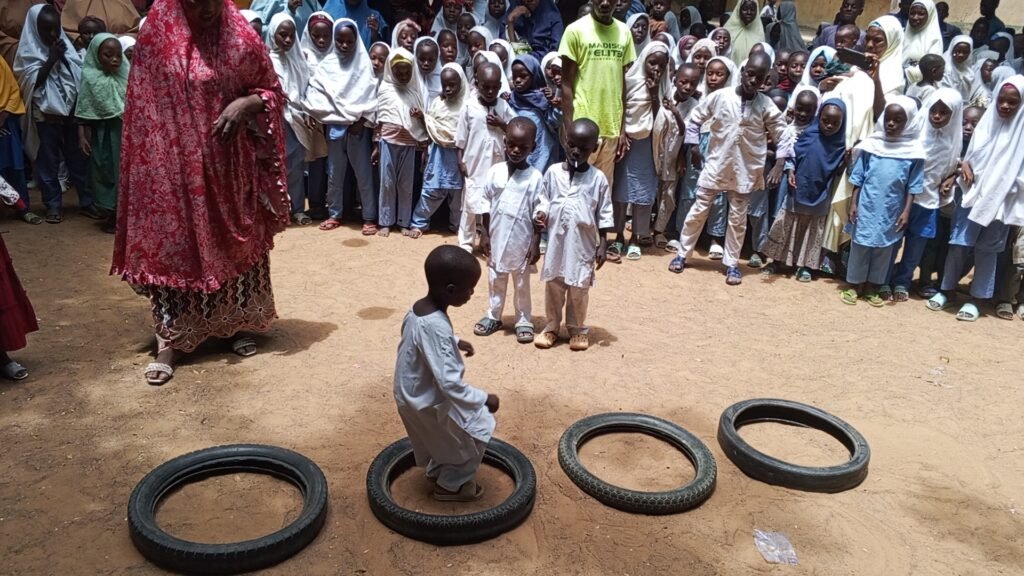
The celebration featured educational games, interactive learning activities, cultural displays, and the presentation of learning materials to pupils, creating an atmosphere of excitement and fun among participating children.
Stakeholders at the event unanimously agreed that protecting children’s right to play remains essential for building a healthier, more educated, and productive future generation.