


By Ali Rabiu Ali, Makkah
For many pilgrims, the journey to Hajj is filled with uncertainty long travels, crowded environments, physical stress and emotional exhaustion.
But for hundreds of pilgrims from Jigawa State currently performing the 2026 Hajj in Saudi Arabia, the experience in Makkah has become one of relief, comfort and gratitude.
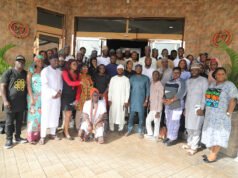
On Friday night, inside the bustling city of Makkah, a different picture emerged from the accommodation centres housing Jigawa pilgrims near the Holy Mosque.
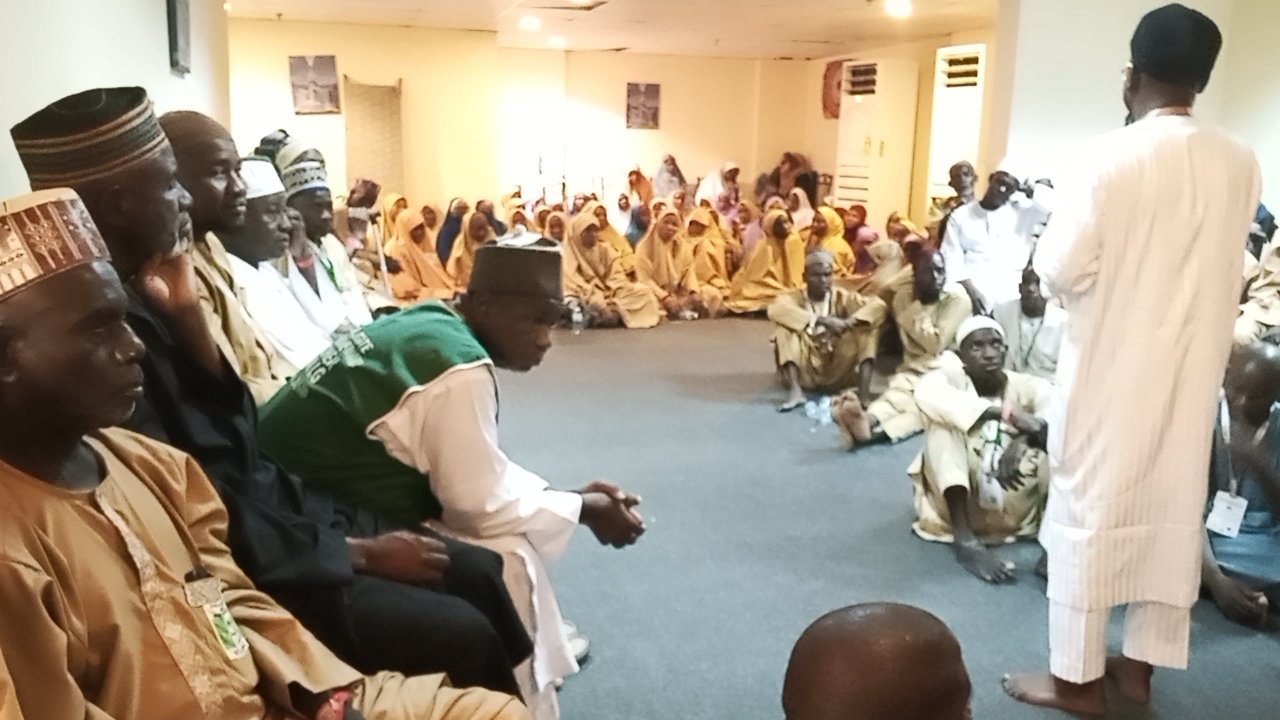
Instead of complaints or anxiety, laughter echoed through the corridors. Elderly pilgrims sat peacefully after evening prayers, while younger pilgrims exchanged warm conversations about the spiritual journey they had waited years to undertake.
It was this atmosphere of happiness that visibly moved the Emir of Dutse and Amirul Hajj of Jigawa State, Alhaji Muhammad Hameem Nuhu Sunusi, during an unscheduled inspection visit to the pilgrims’ hotels.
As he moved from room to room greeting pilgrims, the Emir repeatedly expressed joy over the cheerful faces and calm mood he witnessed among the pilgrims.
“I am happy because what I am seeing here is satisfaction,” the Emir said emotionally. “When pilgrims are happy, comfortable and healthy, then leaders and officials supervising the Hajj have fulfilled an important responsibility before Allah and humanity.”
For the traditional ruler, the visit was more than an official assignment. It was a moment of reassurance that the sacrifices made by the state government and Hajj officials were producing results where they mattered most in the lives of ordinary pilgrims.
Among those whose faces reflected that satisfaction was Ibrahim Mukhtar, a pilgrim from Dutse, who described the arrangements as beyond his expectations.
“We came here worried about accommodation and feeding because we heard different stories from previous Hajj exercises,” he said. “But honestly, we are comfortable. The rooms are clean, the environment is peaceful and officials are always checking on us.”
Another pilgrim, Sani Dahiru, said what impressed him most was the attention given to elderly pilgrims and those with health challenges.
“If somebody falls sick, the medical team responds quickly,” he explained. “Even our feeding arrangements are organized. We feel cared for, and that gives us peace of mind to concentrate on worship.”
Farouk Abubakar, who was sitting among fellow pilgrims after Ishai prayer, said the regular presence of officials around the pilgrims created confidence and unity.
“The leaders did not abandon us after bringing us to Saudi Arabia,” he said with a smile. “They are with us every day. That alone encourages pilgrims to remain disciplined and patient.”
The Emir particularly praised the Director General of the Jigawa State Pilgrims Welfare Board, Alhaji Ahmad Umar Labbo, for what he described as tireless commitment towards ensuring smooth coordination of the Hajj exercise.
According to the Emir, the welfare of pilgrims is not merely administrative work but a sacred trust that demands sincerity, compassion and accountability.
He also commended Governor Umar Namadi for prioritizing the wellbeing of pilgrims through strong support for the Hajj operation.
The Emir noted that the governor’s approval for the participation of government officials, Islamic scholars and journalists had strengthened supervision, enlightenment and communication throughout the pilgrimage.
For many pilgrims, the governor’s involvement has become visible not only in policy decisions but also in the quality of services they now enjoy in Saudi Arabia.
The Director General of the Pilgrims Welfare Board, Alhaji Ahmad Umar Labbo, revealed that the hotels secured for Jigawa pilgrims exceeded what the pilgrims’ contributions alone could provide.
“We had to supplement additional resources to secure better accommodation for our pilgrims,” he explained. “Our goal is to ensure that they perform Hajj in comfort and dignity.”
Labbo also reassured pilgrims that transparency remained central to the board’s operations, promising that any excess payment, regardless of how small, would be refunded accordingly.
Beyond welfare and accommodation, Jigawa pilgrims are also attracting positive attention from Saudi authorities.
According to Labbo, officials of the Saudi Hajj authorities have commended Jigawa pilgrims for their discipline, peaceful conduct and respect for regulations both around the Haram and inside their accommodation centres.
In a pilgrimage attended by millions from across the world, such recognition has become a source of pride not only for the pilgrims themselves but also for Jigawa State.
For the Emir of Dutse, however, the greatest reward was seeing pilgrims perform their spiritual obligations with peace of mind.
As he concluded the inspection, he urged the pilgrims to continue praying for peace, stability and development in Jigawa State and Nigeria, while also encouraging citizens back home to support Governor Umar Namadi’s developmental efforts through prayers and unity.
But perhaps the strongest message from the visit was not delivered in speeches. It was written quietly on the smiling faces of pilgrims resting peacefully after prayers in the Holy Land faces carrying the comfort of knowing they had not been forgotten far away from home.