


By Ali Rabiu Ali, Makkah
Far away from home and surrounded by millions of worshippers from across the world, pilgrims from Jigawa State are quietly earning admiration in the holy city of Makkah not for loud displays or grand gestures, but for their discipline, modesty and calm devotion to worship.
For the wife of the Jigawa State Governor, Hajiya Hadiza Umar Namadi, the sight of women pilgrims dressed modestly in proper hijab and the orderly conduct of the state’s contingent was enough to fill her with pride.
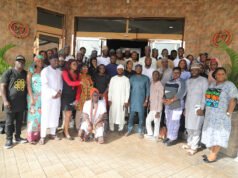
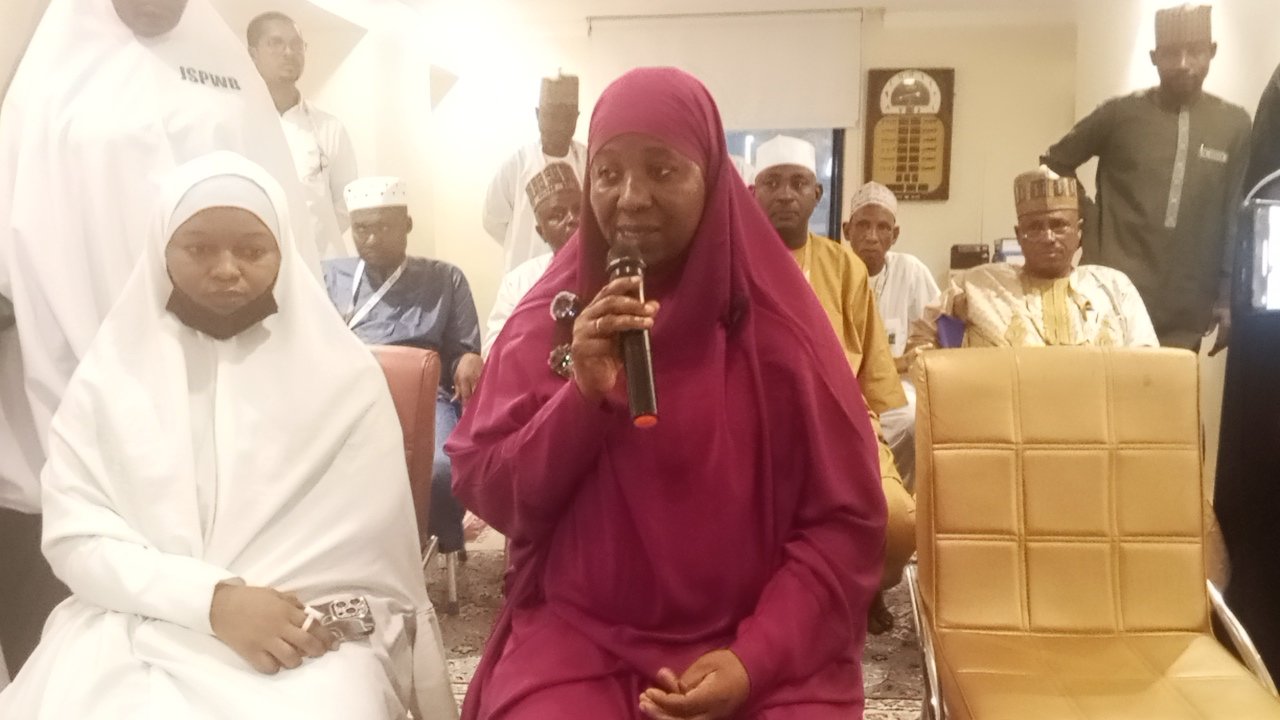
During a visit to the pilgrims in Makkah as part of the 2026 Hajj exercise, the First Lady described the behaviour of Jigawa pilgrims as a reflection of the moral upbringing and religious values cherished by the state.
Among the moments that impressed her most was how many of the pilgrims, particularly women, maintained dignity and restraint despite the crowded and demanding atmosphere of Hajj.
“I am very happy seeing our women pilgrims wearing proper hijab and conducting themselves with dignity,” she said while addressing the pilgrims. “This is a thing of pride for Jigawa State.”
Beyond appearance, another aspect that caught her attention was the discipline shown by the pilgrims in adhering to the welfare arrangements made by the Jigawa State Pilgrims Welfare Board.
Rather than wandering through busy streets in search of meals, many of the pilgrims remained within their accommodation, relying on the three daily meals provided by the state government.
To observers, it may seem like a small detail. But in the often stressful environment of Hajj where overcrowding, exhaustion and unfamiliar surroundings can easily create difficulties such organisation and contentment speak volumes about planning and coordination.
For many elderly pilgrims, the arrangement has provided not just comfort, but peace of mind.
The First Lady used the occasion to encourage women to continue seeking Islamic knowledge so they could better understand and perform their religious obligations.
Quoting verses from the Holy Qur’an and sayings of Prophet Muhammad (SAW), she reminded them that Hajj is not only a spiritual journey, but also an opportunity for personal transformation, patience and obedience to Allah.
Her visit was not merely ceremonial.
She distributed cash assistance, hijabs and other support items to the pilgrims, especially women, many of whom expressed gratitude for the gesture and the feeling of being remembered while far from home.
The visit also highlighted the growing attention being paid to pilgrims’ welfare by the Jigawa State Government.
According to the Director General of the Jigawa State Pilgrims Welfare Board, Alhaji Ahmad Umar Labbo, the state deliberately secured accommodation close to Masjidil Haram to reduce the stress of movement for pilgrims, particularly the elderly.
He explained that feeding arrangements and welfare services were also carefully planned to ensure comfort throughout the pilgrimage period.
Labbo described the First Lady’s visit as a “golden visit,” saying it boosted the morale of both pilgrims and officials overseeing the Hajj operations.
For many Jigawa pilgrims in Makkah, the experience this year appears to be more than a religious obligation. It is also becoming a story of community, care and discipline values that continue to define the state’s image in the holy land.
As pilgrims continue their spiritual journey in the sacred city, the hope among officials and families back home is that they will return not only spiritually fulfilled, but also as ambassadors of the virtues they displayed in Makkah.