




By Ali Rabiu Ali, Dutse
The United Nations Children’s Fund (UNICEF), with funding from the European Union (EU), has trained 240 Early Childhood Care and Development (ECCD) teachers across 10 local government areas of Jigawa State on the implementation of the one-year pre-primary curriculum and Teachers’ Guide.
The five-day step-down training, held from July 1 to 5, 2026, was designed to strengthen teachers’ capacity to prepare children for school readiness through modern, child-centred and age-appropriate teaching methods.
The exercise followed a two-day refresher training held on June 29 and 30 for facilitators and other relevant personnel ahead of the wider capacity-building programme.
The training was conducted at LGA-based centres across the 10 UNICEF Early Years Education Programme in Nigeria (EYEPINN) intervention local government areas of Babura, Birnin Kudu, Garki, Hadejia, Jahun, Kafin Hausa, Kazaure, Kiri Kasamma, Kiyawa and Maigatari.
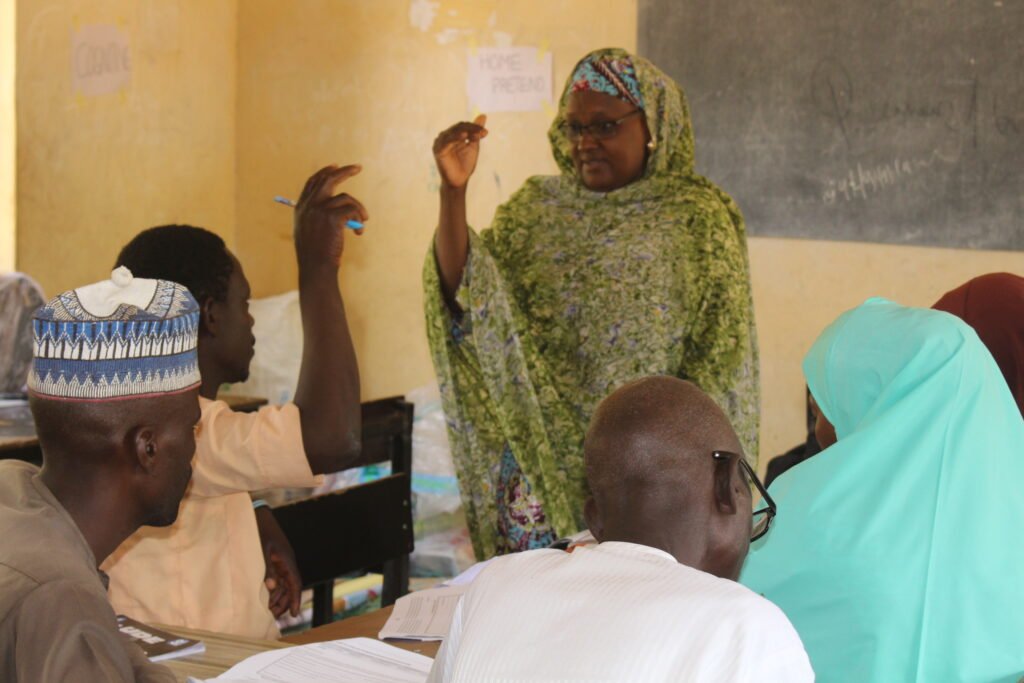
A total of 24 teachers participated from each of the 10 LGAs, bringing the overall number of beneficiaries to 240.
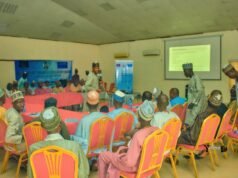
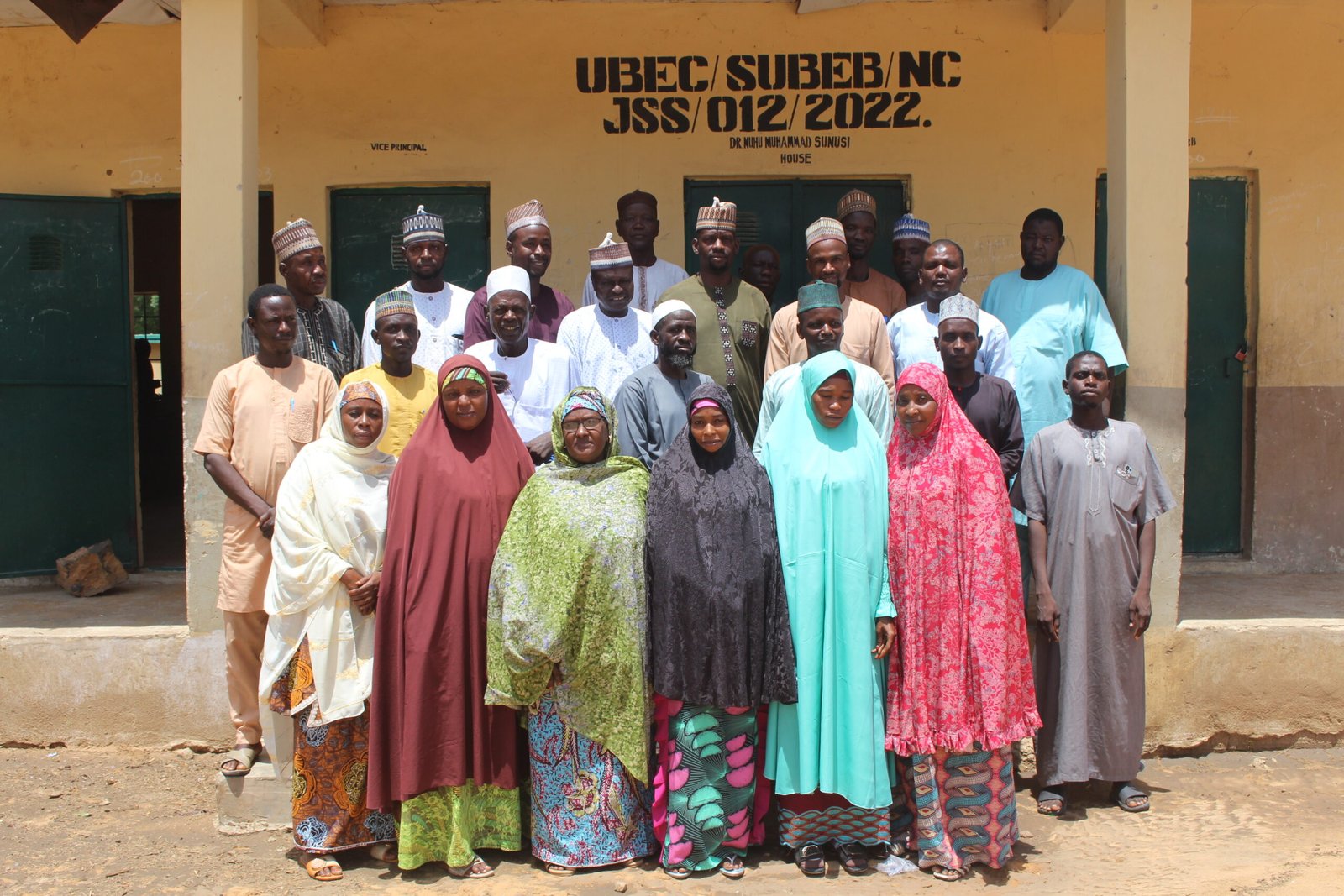
At the Kiyawa centre, hosted at Kiyawa Special Primary School, teachers drawn from different schools were trained on practical approaches to handling children in pre-primary classes, particularly those between the ages of three and five.
Speaking during the exercise, one of the facilitators, Dr Jamila Abba, said the programme was aimed at strengthening teachers’ professional skills in lesson planning, classroom management, teaching practices and assessment of young learners.
She explained that while many of the participants already had classroom experience, early childhood education required a specialised approach different from conventional primary school teaching because of the age, developmental needs and first-school experiences of young children.
“We are conducting a five-day ECC teacher training programme with a total of 24 teachers drawn from different schools within Kiyawa Local Government Area,” she said.
“We are here to train teachers on present-day methods of teaching children in Early Childhood Care classes. They have been teaching, but there are concerns about how some of the classes are being handled.
“The objective is to enable the teachers to practise effectively and apply professional standards in teaching. We are also training them on how to plan lessons, conduct classes and assess children after teaching.”
Dr Abba stressed that teaching children aged three to five should not be approached in the same manner as conventional primary school teaching, noting that many children at that stage were entering a formal learning environment for the first time.
“Early childhood education entails an entirely different approach. It is not like primary school. Many of our teachers are more conversant with teaching primary classes, which is why this specialised training is necessary,” she added.
According to her, the intervention became necessary following an assessment that revealed serious gaps in the delivery of early childhood education in Jigawa State, with the state reportedly scoring three out of 10 points.
She said findings from the assessment suggested that some previous training programmes might not have directly reached teachers responsible for handling ECC classes.
“Based on the assessment we received from Jigawa, the performance was very poor. That is why the need for this training arose,” she said.
“It appeared that during previous trainings, the right teachers were not always brought for the exercise. This time, we ensured that only teachers handling ECC classes, alongside relevant head teachers, were selected.
“This is also an effort to correct earlier gaps and ensure that the people receiving the training are those who will directly apply the knowledge in the classrooms.”
Dr Abba said the training on the one-year pre-primary curriculum and Teachers’ Guide was expected to help participating teachers better prepare young children for a smooth transition into formal primary education.
Another official involved in the programme, Amin Abdullahi, said participants had demonstrated improved understanding of the concepts taught during the exercise.
He said responses during interactive sessions and assessments showed that the teachers had acquired practical knowledge capable of strengthening children’s cognitive, social, emotional and physical development.
“From the way the participants are responding to questions, I can see that they have learnt a lot,” he said.
“I hope they will step down the knowledge to the appropriate people and apply the skills in their schools. The social abilities, attitudes and other developmental skills of the children will improve.”
Abdullahi expressed confidence that continuous professional development could strengthen public school teachers and enable them to compete favourably with their counterparts elsewhere.
He said sustained training and classroom-based support remained critical to improving teaching quality and ensuring that children in public schools received education that met acceptable standards.
Also speaking, the Head Teacher of Katanga Central Primary School, Sani Umar Katanga, described the training as timely and practical.
Katanga said participants had been exposed to the one-year pre-primary curriculum, including its domains and sub-domains, weekly lesson planning and appropriate classroom practices for young children.
“We are here for a five-day ECCD training on the one-year pre-primary curriculum, and we have gained a lot,” he said.
“Apart from understanding the domains and sub-domains of the curriculum, we have learnt how to prepare weekly lesson plans. We are going back to implement what we have learnt in our respective schools.”
He described early childhood education as the foundation of a child’s learning journey, noting that proper teaching at ages three to five could help children develop basic literacy, numeracy and social skills before entering primary school.
“ECCD is the grassroots and foundation for beginners. A child of four or five years can begin to recognise letters, numbers and colours, as well as understand days of the week, months of the year and basic weather conditions such as rainy, windy or cool days,” Katanga said.
The LEA ECC Coordinator, Blikis Umar, also welcomed the intervention, describing it as an important opportunity for teachers and education managers to deepen their understanding of the curriculum and improve classroom delivery.
She said strengthening teachers’ knowledge of early childhood education would contribute to better learning experiences for young children and help schools provide a stronger foundation for future academic development.
According to her, effective implementation of the curriculum would enable teachers to better understand the developmental needs of young learners and adopt appropriate methods that encourage participation, play, interaction and gradual learning.
The programme is expected to equip the 240 participating teachers with practical skills to create child-friendly classrooms, prepare age-appropriate lessons, assess young learners and support children’s cognitive, emotional, physical and social development.
The intervention forms part of wider efforts by UNICEF, with financial support from the European Union, to strengthen education quality, improve early learning and ensure that children in Jigawa State enter primary school with the foundational skills needed to succeed.