




By Fahad Harazimi
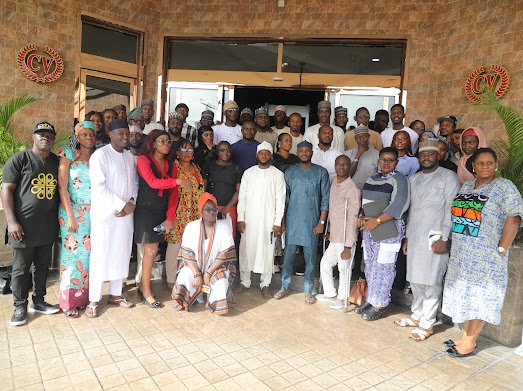
As Nigeria continues to grapple with terrorism, banditry, kidnapping and communal violence, Global Rights Nigeria has trained more than 50 state and community champions drawn from the 36 states and the Federal Capital Territory (FCT) to strengthen community-based conflict early warning and early response systems.
The two-day capacity-building workshop, held from July 15 to 16 at Corinthia Villa Hotel in Abuja, aimed to equip participants with practical skills to identify, document and report early signs of conflict before they escalate into violence.
Speaking at the opening of the training, the Programme Manager of Global Rights Nigeria, Noya Sedi, stressed the importance of community ownership in peacebuilding, noting that local residents are often the first to notice warning signs of insecurity.
She said empowering community actors with the knowledge and tools to detect and report emerging threats would improve efforts to prevent violent conflicts and protect vulnerable populations.
According to the organisers, Nigeria’s security challenges including terrorism, banditry, kidnapping for ransom, farmer-herder clashes, communal conflicts, cult-related violence, electoral violence and organised crime have continued to claim lives, displace communities and destroy livelihoods.
They noted that while security agencies remain central to maintaining peace, limited presence in remote areas makes community-driven early warning systems essential for timely intervention.
The workshop sought to deepen participants’ understanding of the causes and consequences of violent conflict, strengthen their skills in conflict monitoring, information gathering, verification, documentation and risk analysis, while promoting collaboration among civil society organisations, traditional institutions, security agencies, women and youth groups.
Renowned peacebuilding expert Prof. Chris Kwaja facilitated sessions on community-based early warning networks, while Mr. Larz Apir trained participants on forensic evidence gathering and documentation for accountability.
Other sessions focused on conflict early warning and early response systems, managing rumours, misinformation and disinformation, gender-sensitive approaches to conflict prevention, and translating early warning into effective early action.
Participants described the training as timely and relevant to addressing Nigeria’s security challenges.
A participant from Zamfara State, Isah Ahmad, said the workshop had equipped him with practical skills to properly document and report early signs of banditry before attacks occur.
Similarly, Esther Daniel from Delta State said the training would help women transform information gathered within their communities into actionable early warning capable of preventing violence, particularly against women and children.
At the end of the workshop, participants developed state-level implementation plans and regional roadmaps for step-down activities, identified key security concerns in their respective states, and initiated regional coordination networks to facilitate continuous information sharing and collaboration across the country’s geopolitical zones.
Global Rights described the participants as the “Eyes and Ears of Peace”, saying they would serve as trusted community actors committed to strengthening grassroots early warning systems and promoting peaceful coexistence across Nigeria.
The training concluded with participants reaffirming their commitment to return to their communities and apply the knowledge gained to help prevent violent conflicts and safeguard vulnerable populations.