



By Ali Rabiu Ali, Dutse
Communities in three flood-prone local government areas of Jigawa State Auyo, Hadejia, and Miga have intensified efforts to confront recurring flood disasters through a community-driven emergency response strategy aimed at protecting lives and livelihoods.
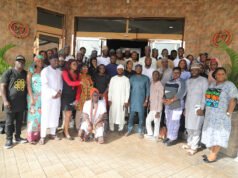
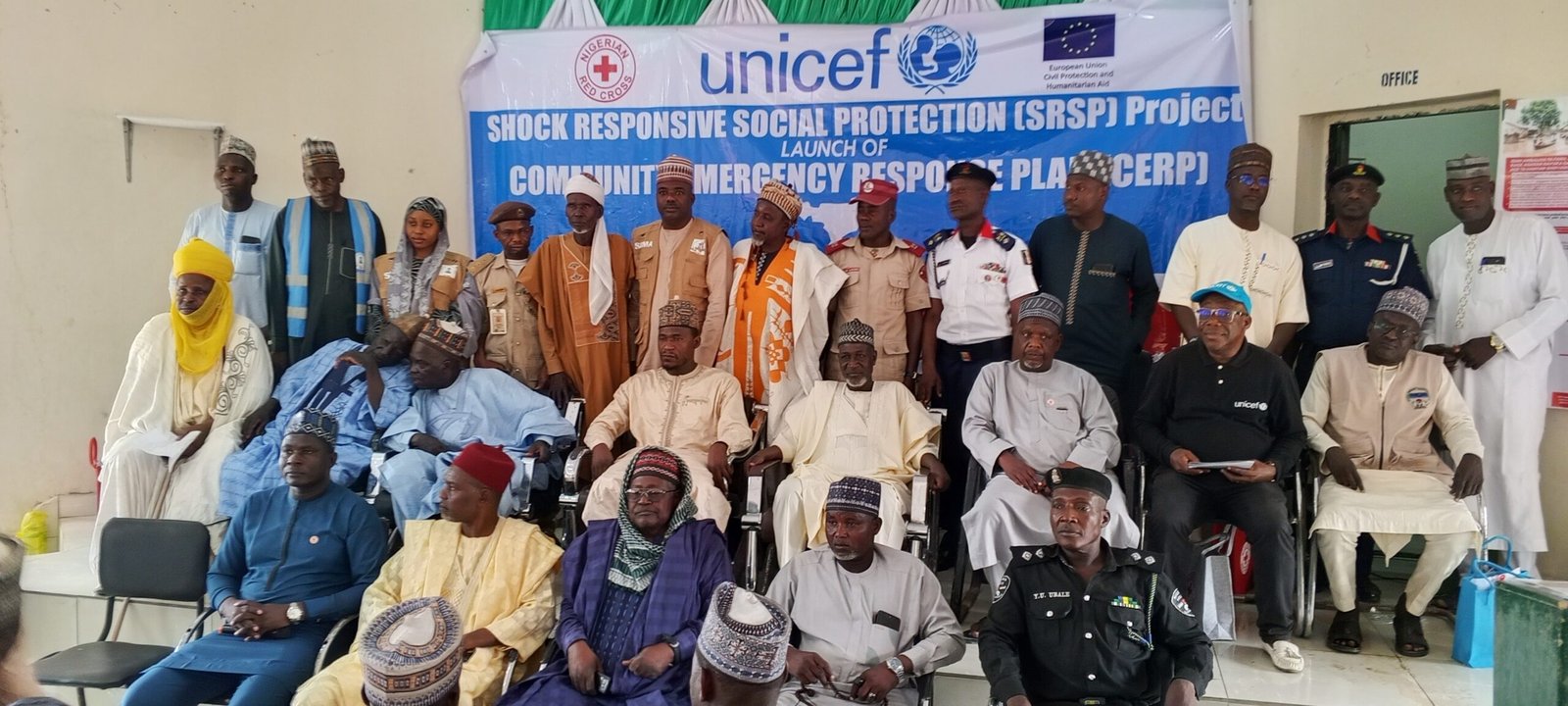
The initiative, unveiled at a stakeholders’ meeting in Auyo Local Government Area, brings together local authorities, humanitarian actors, and community volunteers to strengthen preparedness ahead of the rainy season.
The programme was sponsored by EU through UNICEF Kano field office and facilitated by the Red Cross international aimed at improving the capacity of the communities that is affected by the flood in Jigawa state.
Jigawa, a largely rural state in north-western Nigeria, is highly vulnerable to seasonal flooding due to its proximity to the Hadejia River and the Hadejia-Nguru wetlands. While these water bodies support agriculture, fishing, and livestock rearing, they also expose communities to ежегодные разрушительные floods that damage infrastructure, displace households, and disrupt economic activities.
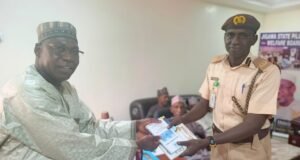
Speaking at the meeting, the Auyo local government chairman Hon. Bilyaminu Ahmed Adamu said the choice of Auyo as the venue was deliberate, describing it as a central and peaceful location to convene representatives from the three LGAs for awareness and planning.
“This gathering is to ensure that our people in Auyo, Hadejia, and Miga are well informed and prepared to overcome the challenges of flooding this year,” one of the council chairmen said. “We are ready and committed to protecting our communities when the disaster comes.”
Adamu disclosed that budgetary provisions have been made at the local level to support emergency response, signaling a shift from reactive to proactive disaster management.
The Community-Based Emergency Response Plan (ERP), developed through consultations with stakeholders and residents, outlines clear coordination structures and response actions before, during, and after flood incidents.
It aligns with global disaster risk reduction standards and emphasizes collaboration between the State Emergency Management Agency (SEMA), local councils, the Nigerian Red Cross Society, and community structures.
A key component of the plan is the role of trained volunteers who are leading grassroots sensitisation campaigns.
Dr. Adamu Babale, a disaster management expert, stressed the importance of preparedness and awareness in reducing flood risks.
“The most important part of disaster management is preparation,” he said.
“We have trained volunteers who go into communities, raise awareness, and educate people on the dangers of flooding and how to respond.”
He noted that while resource constraints currently limit the programme to three LGAs, there are plans to expand to other vulnerable areas in the state.
Volunteers from the Nigerian Red Cross say their work has already begun yielding results. Ahmad Zakari, a volunteer in Auyo, said teams have been conducting house-to-house sensitisation, visiting markets, schools, and public spaces to educate residents.
“We teach people what to do before the flood starts how to prepare, how to evacuate, and how to stay safe,” he said. “People are beginning to understand and accept these measures.”
In Hadejia, another volunteer, Mohammed Gambo, said communities are being guided on practical steps such as clearing drainage systems and relocating valuables ahead of rising المياه levels.
“We are showing them how to protect themselves and reduce the impact of flooding,” he said.
The plan also identifies evacuation centres, including schools and health facilities, and highlights the role of traditional leaders and community groups in coordinating response efforts.
In some areas, displaced persons are accommodated within host communities rather than formal camps.
In Miga, where terrain and access pose challenges, local transport systems such as motorcycles and canoes are being incorporated into evacuation strategies.
Officials say the plan goes beyond emergency response to include early recovery measures such as damage assessment, restoration of essential services, and livelihood support for affected households.
Despite these efforts, stakeholders acknowledge that challenges remain, particularly in terms of funding and expanding coverage to other at-risk communities.
However, they remain optimistic that strengthened coordination and increased community awareness will significantly reduce the impact of flooding this year.
As the rainy season approaches, residents across Auyo, Hadejia, and Miga are being urged to heed early warnings and adopt preventive measures a shift that authorities believe could make the difference between disaster and resilience.